How Long Does It Take To Get Hvac Certified Online
How Long Does It Take To Get HVAC Certified Online? The Real Deal.
So, you’re thinking about diving into the HVAC world, huh? Good choice. It’s a trade that’s always in demand, and frankly, can be pretty lucrative. But the big question on everyone’s mind is: ‘How long will this whole certification thing take?’ Especially when you’re looking at doing it online, which, let’s be honest, sounds a lot more appealing than sitting in a stuffy classroom for months on end. It’s not some overnight magic trick, though. You gotta put in the work. And figuring out the timeline? That’s where it gets a little fuzzy for folks. Let’s cut through the noise and talk straight about what it really takes to get HVAC certified online.
Forget the gurus promising you’ll be a master technician by next Tuesday. This is about getting a solid foundation, understanding the tech, and actually being qualified to do the job right. And doing it online? It opens up doors, sure, but you’re still on the hook for mastering the material. So, what’s the actual time commitment? Let’s break it down, no fluff.
The Online Advantage: Speed and Flexibility

Source : fieldedge.com
Look, the biggest draw of online HVAC programs is that sweet, sweet flexibility. You can study when you want, where you want. That’s a huge deal for guys and gals already juggling work, family, or just life in general. It’s not like you have to pack up and move to a campus or stick to a rigid 9-to-5 class schedule. This accessibility is a total Shift for a lot of people looking to upskill or switch careers without completely upending their lives.
Self-Paced Learning: Your Clock, Your Rules
Most online programs worth their salt are self-paced. What does that mean for you? It means you move at your own speed. If you’re a quick study and can dedicate a chunk of time each week, you might blast through the material way faster than someone who can only squeeze in an hour here or there. This is where the “how long” question really depends on YOU. Some folks might finish a solid program in a few months, others might take closer to a year. It’s all about how much fire you have in your belly to get it done.
Think of it like this: you’re not on a bus with everyone else, waiting for the slowest person to catch up. You’re in your own car, and you decide when to hit the gas. This personal control over your learning pace is a massive benefit. You can even revisit modules if you feel like you didn’t quite grasp a concept the first time around. No shame in that game. That’s the beauty of mastering the material on your own terms.
Reduced Commute and Overhead
Let’s not forget the practicalities. No daily drives to a physical campus means saving serious time and money. Gas, car wear-and-tear, parking fees – poof, gone. Plus, online programs often have lower tuition costs compared to traditional brick-and-mortar schools. It’s a more efficient way to get the education you need. You’re cutting out a lot of the logistical headaches that come with traditional schooling.
This also means you can often start sooner. No waiting for a specific semester to begin. Once you’re approved and enrolled, you can hit the ground running. For someone eager to start a new career path, that immediacy is incredibly motivating. It’s about getting you qualified and earning sooner rather than later. So, while “how long” is a variable, the path itself is often much faster.
Accessibility to Quality Education
Online learning removes geographical barriers. You’re not limited to the HVAC schools in your immediate town or city. You can access top-tier programs from reputable institutions regardless of where you live. This means you get access to potentially better curriculum, more experienced instructors, and a wider range of specializations. You’re not stuck with whatever local options are available; you can hunt for the best fit for your goals and learning style.
This democratization of education is huge. It levels the playing field. Someone in a rural area can get the same quality training as someone living next door to a major technical college. It’s about the quality of the curriculum and the instructors, not just your ZIP code. Getting certified HVAC tech skills has never been more within reach for so many different people.
Understanding HVAC Certification vs. Licensure
Okay, here’s a Key point often misunderstood: certification isn’t always the same as a license. Think of certification as proving you have a certain set of skills and knowledge, often through passing an exam. A license? That’s usually a state-mandated requirement to legally perform work in that state, and it often involves more rigorous testing, background checks, and sometimes even proof of experience.

Source : trusteyman.com
Many online programs focus on getting you ready for industry-recognized certifications, like the EPA Section 608 certification, which is legally required to handle refrigerants. That’s a massive step. But depending on where you plan to work, you might need additional state or local licenses down the line. Don’t assume finishing an online course automatically means you’re legally cleared to hang out your own shingle everywhere.
EPA Section 608 Certification: The Baseline Requirement
Seriously, you can’t get around this one. The EPA Section 608 certification is non-negotiable if you plan to work with air conditioning and refrigeration systems. It covers safety and environmental regulations regarding refrigerants. Most reputable online HVAC programs will prepare you thoroughly for this exam. It’s usually broken down into three main types: Type I (small appliances), Type II (high-pressure refrigerants), and Type III (low-pressure refrigerants), plus a Universal type covering all.
Getting this certification is a foundational step. It typically takes a dedicated study period, but the exam itself isn’t usually a months-long ordeal. You can often study for and pass the Section 608 exam within a few weeks to a couple of months, depending on your study intensity and prior knowledge. It’s one of the quickest certifications to nail down, but absolutely Needed for anyone serious about a career in HVAC.
Industry Certifications: Proving Your Expertise
Beyond the EPA mandate, there are other industry certifications you can pursue. Organizations like NATE (North American Technician Excellence) offer advanced certifications that demonstrate a high level of skill and knowledge. These aren’t always required to get your foot in the door, but they can significantly boost your resume and earning potential. Getting NATE-certified, for instance, often requires passing challenging exams and can take longer to prepare for.
Online programs can often provide the foundational knowledge needed to eventually tackle these advanced certifications. However, you might find that preparing for something like NATE requires additional study time beyond your initial online course, or even hands-on experience that an online-only program can’t fully replicate. Think of your online training as the launchpad for these higher-level achievements. It gives you the Needed groundwork to then pursue specialized credentials.
State and Local Licensing Nuances
This is where things can get tricky. Licensing requirements vary wildly from state to state, and sometimes even city to city. Some states might just require an EPA certification and maybe a business license, while others have much more stringent requirements, including specific hours of supervised experience or passing a state-specific trade exam. You absolutely must research the requirements for the specific area where you intend to work.
Don’t just assume completing an online program means you’re good to go everywhere. A quick search for “[Your State] HVAC license requirements” is your best friend. This research phase is critical and happens before you pick a program if you want to avoid surprises. Failing to understand these nuances could mean getting certified online only to find out you can’t legally practice in your desired location without further steps. It’s a Key part of understanding the total time commitment.
Typical Online HVAC Program Timelines
Alright, let’s get down to brass tacks. What are the actual timeframes for common online HVAC programs? This isn’t an exact science, as we’ve discussed, but we can lay out some realistic expectations based on program structure and typical student progress.
Keep in mind that these are estimates. Your mileage may vary wildly. Some programs are designed to be completed faster, while others encourage a more Full, slower pace. The key is to find a program that aligns with your personal learning style and schedule. Don’t just chase the “fastest” option; aim for the “most effective” one for you. A good program will equip you thoroughly, not just rush you through.
Certificate Programs: The Quickest Route
Online certificate programs are typically the fastest way to get your foot in the door. These programs focus on the core knowledge and skills needed for entry-level positions and often prepare you directly for the EPA Section 608 certification. You can expect these to take anywhere from 4 to 12 months to complete, depending heavily on the program’s structure and how much time you dedicate. Some intensive programs might even be shorter if you’re really pushing it.
These are great for individuals who want to get into the field relatively quickly or for existing tradespeople looking to add HVAC skills to their repertoire. They provide a solid foundation without the extensive general education requirements of longer programs. Think of it as a focused skills bootcamp. It’s about getting you job-ready without unnecessary delays. Completing one of these can put you on the path to earning an income much sooner.
Diploma Programs: A More Full Approach
Diploma programs generally offer a more in-depth curriculum than certificate programs. They might cover more advanced topics, include simulated labs, or offer more extensive preparation for various industry certifications. Online diploma programs often take between 9 months to 1.5 years to complete. This added time allows for a deeper dive into subjects like electrical theory, system diagnostics, and advanced installation techniques.
If you’re looking for a more Strong understanding and want to be exceptionally well-prepared for a wider range of HVAC roles, a diploma program might be the better choice. It’s a step up in commitment but often results in a more well-rounded technician. You’re building a stronger, more Full skill set that can serve you well throughout your career. It’s a worthwhile investment for those seeking long-term career growth.
Associate Degrees (Online): The Longest but Most Thorough
While less common for purely online certification, some institutions offer online Associate of Applied Science degrees in HVAC technology. These are typically two-year programs, similar to traditional college degrees. They include general education courses (math, English, science) alongside the core HVAC curriculum. If your goal is a very broad technical education or potentially moving into management or design roles later, this is an option.
However, for many people just looking to become a certified HVAC technician, a two-year degree is overkill and significantly extends the time it takes. It’s important to distinguish between getting certified and earning a full degree. Most people seeking HVAC certification online are looking for the faster, more focused route provided by certificate or diploma programs. An associate degree can provide a very deep understanding, but it comes with a much longer timeline and often a higher cost. It’s a commitment that needs careful consideration if you’re aiming for a quick entry into the HVAC technician field.
Factors Influencing Your Online HVAC Timeline
So, we’ve talked about program types. But what else affects how long your online HVAC journey takes? It’s not just about ticking boxes in a course catalog. Several personal and program-specific factors come into play.
Understanding these variables can help you set realistic expectations and plan your study schedule more effectively. It’s about managing your time and energy to get the most out of your online education. Don’t underestimate the impact of these elements on your overall progress. They are just as important as the curriculum itself.
Your Personal Study Habits and Dedication
This is the big one. How much time can you realistically commit each week? Are you someone who can buckle down for 10-15 hours a week, or are you limited to 3-5? Your available time directly impacts how quickly you can progress through the modules. Someone consistently dedicating significant hours will finish much faster than someone spreading it out thinly.
It’s also about how you study. Are you actively engaging with the material, taking notes, and testing yourself? Or are you passively clicking through? Active learning leads to better retention and faster progress. Think of it as disciplined effort versus casual browsing. The more focused your study sessions, the more ground you’ll cover. This personal drive is arguably the most significant factor in accelerating your learning.

Source : skillcatapp.com
Prior Knowledge and Experience
Did you grow up tinkering with engines? Maybe you have some electrical background from a previous job? Any prior knowledge in related fields can give you a head start. You might find certain modules easier to grasp, allowing you to move through them more quickly. Conversely, if you’re starting from absolute zero, expect to take a bit longer as you build that foundational understanding.
Even basic familiarity with tools and mechanical concepts can make a difference. The curriculum is designed for beginners, but existing knowledge acts like a turbo boost. It helps you connect new concepts to things you already understand, making the learning process smoother and faster. Don’t discount any past experience, no matter how seemingly unrelated; it could be the key to speeding up your studies.
Quality and Structure of the Online Program
Not all online programs are created equal. Some have well-organized, engaging content with excellent instructor support. Others can be clunky, outdated, or lack the necessary resources. A program with clear learning objectives, interactive modules, and responsive support will help you learn more efficiently. Poor program design can actively slow you down, leading to frustration.
Look for programs that offer video lectures, interactive quizzes, virtual labs (if possible), and clear pathways through the curriculum. Good support means you can get your questions answered quickly, preventing you from getting stuck. A well-structured program respects your time and aims to make learning as effective as possible. This is why choosing the right institution is critical for a smooth learning experience.
The “Real” Time: Including Hands-On Components
Here’s the kicker that often gets glossed over: HVAC is a hands-on trade. You can read all the books and watch all the videos you want, but you need to get your hands dirty. Most online programs acknowledge this. They might incorporate virtual labs, offer optional in-person workshops, or require you to complete a certain number of hours of hands-on training or an apprenticeship.
This practical component adds time to your overall journey. It’s not just about completing the online coursework. You need to factor in time for practical application, whether that’s through a formal apprenticeship, an internship, or simply finding opportunities to practice your skills. This is non-negotiable for becoming a competent technician. You can’t learn to fix a furnace solely through a screen.
Simulated Labs and Virtual Training
Many online programs are getting creative with virtual labs. These simulations allow you to practice diagnosing problems, performing maintenance, and even using virtual tools in a safe, digital environment. While not a perfect substitute for real-world experience, they are a valuable learning tool that bridges the gap between theory and practice. These can be integrated directly into the online coursework.
These tools help you develop critical thinking and troubleshooting skills without the risk of damaging equipment or hurting yourself. They are a good way to reinforce what you’ve learned in the theoretical modules. However, remember that these are still simulations. They enhance your learning but don’t fully replace the feel and intricacies of working with actual hardware. It’s a step, but not the whole staircase, towards practical mastery.
Apprenticeships and On-the-Job Training
For many, the real-world training comes through an apprenticeship or direct on-the-job experience. These programs typically last anywhere from 3 to 5 years. During this time, you’re working under experienced technicians, learning the ropes, and applying your knowledge in real-world scenarios. This is where you truly hone your skills and gain the experience employers are looking for.
While your online coursework might be completed in months, the full journey to becoming a seasoned, independent HVAC technician often includes these years of practical training. Some online programs offer resources to help you find apprenticeships, while others expect you to secure these opportunities on your own. Factor this extended period into your long-term career planning. It’s the Key step that turns a certified student into a skilled professional.
Externships or Clinical Rotations
Some online programs partner with local businesses or service companies to offer externships or clinical rotations. These are essentially short-term, supervised work experiences designed to give students practical exposure. They can be incredibly valuable for building your resume and making industry connections. The duration can vary, but they typically range from a few weeks to a few months.
Completing an externship can significantly enhance your understanding of the day-to-day realities of the HVAC trade. It’s a chance to apply what you’ve learned in a controlled, supportive environment before striking out entirely on your own. This practical application phase is Needed for solidifying your knowledge and building confidence. It’s a critical bridge between theoretical knowledge and practical application.
Comparing Online HVAC Training vs. Traditional Paths
It’s natural to wonder how online training stacks up against the more traditional routes. Each has its pros and cons, and the “best” path really depends on your individual circumstances and goals. Let’s look at the typical timeframes side-by-side.
The core difference often comes down to flexibility and speed versus structure and in-person interaction. Understanding these distinctions can help you make an informed decision about which route is right for you. It’s not a one-size-fits-all situation.
| Training Path | Typical Online Duration | Typical Traditional Duration | Key Characteristics |
|---|---|---|---|
| Certificate Programs | 4-12 months | 6-12 months | Fastest route, focuses on core skills, prepares for EPA 608. Online offers more flexibility. |
| Diploma Programs | 9-18 months | 9-15 months | More Full than certificates, deeper dive into topics. Online offers flexibility, traditional offers more hands-on lab time. |
| Associate Degrees | ~2 years | ~2 years | Includes general education, broad technical training. Online can be more convenient for balancing life. |
| Apprenticeships | (Often supplements online study) 3-5 years | 3-5 years | Primary focus on on-the-job training and mentorship. Needed for practical mastery. Online can provide foundational knowledge beforehand. |
The Time-Saving Factor of Online Learning
The most obvious advantage of online HVAC training is the potential to save time. By eliminating commutes and rigid class schedules, you can often complete the coursework faster. If your goal is to get certified and start working as quickly as possible, online programs offer a significant edge. You can structure your learning around your life, not the other way around.
This efficiency is Key for individuals looking for a career change or needing to earn an income sooner. The ability to accelerate your progress through self-paced modules means you’re not held back by the pace of a traditional classroom. It’s about maximizing your learning efficiency and getting you job-ready faster. This is a major win for career advancement.
The Trade-Off: Less Direct Instructor Interaction
The flip side? Online programs, by nature, can mean less direct, face-to-face interaction with instructors and peers. While great online programs have Strong support systems (forums, email, virtual office hours), it’s not quite the same as being in a room with an instructor who can immediately demonstrate a technique or answer a question in real-time. Some learners thrive on this direct contact.
For subjects that are highly practical or require complex physical demonstrations, the lack of in-person interaction can be a slight disadvantage. However, advancements in technology, like high-quality video demonstrations and interactive simulations, are constantly narrowing this gap. It’s a trade-off many are willing to make for the added convenience and flexibility of online education.
Balancing Flexibility with Structured Learning
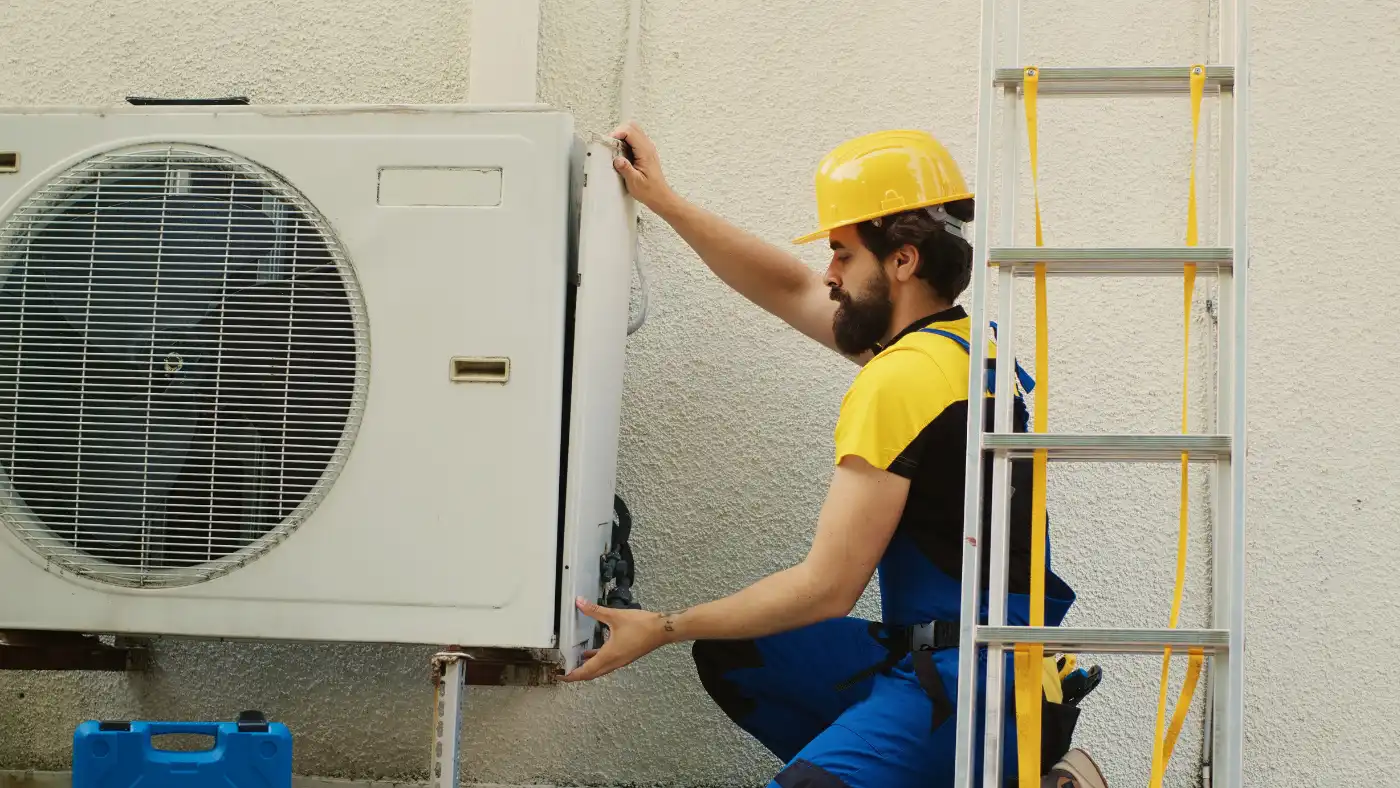
Source : housecallpro.com
The challenge with online learning is maintaining discipline. The flexibility is a double-edged sword. It’s easy to fall behind if you don’t have a structured approach. Traditional programs provide an external structure – set class times, deadlines – that can keep you on track. With online learning, that structure has to come from within.
Success requires self-motivation and good time management skills. You need to create your own schedule and stick to it. Setting daily or weekly goals and holding yourself accountable is key. Many successful online students treat their studies like a job, dedicating specific hours each day. This internal discipline is Key for harnessing the flexibility of online courses effectively and ensuring you don’t procrastinate your certification.
Is Online HVAC Certification Worth It?
Absolutely. For the right person, online HVAC certification is not just worth it; it can be Major. It democratizes access to a solid trade career, allowing people from all walks of life to gain the skills they need without major life disruptions. The key is choosing a reputable program and putting in the genuine effort required.
Don’t fall for the idea that it’s “easy” or requires no real work. It demands dedication. But the payoff – a stable career with good earning potential – is absolutely within reach. As an example, consider US Career Institute’s online HVAC program; they’ve structured their courses to be Full yet accessible for self-paced learners.
The ROI: Time and Money Invested
When you weigh the cost of online programs (often lower tuition, no room and board, no commuting expenses) against the potential earnings as an HVAC technician, the return on investment is significant. Many sources, like this overview on auto.edu discussing technician timelines, highlight the career potential. You’re looking at potentially completing your training in under a year and then earning a solid wage.
Compare that to a four-year degree that might leave you with Large debt and a less direct path to a high-demand trade. The efficiency of online HVAC training makes it a financially sound decision for many ambitious individuals. It’s a strategic investment in your future earning capacity. You get qualified faster, start earning sooner, and build a career without the crushing weight of student loans that often accompanies longer academic paths. It’s simply smart economics for building a career.
Career Prospects for Online Graduates
Graduates from reputable online HVAC programs are well-positioned for entry-level roles. Employers recognize that accredited programs provide the necessary foundational knowledge. Combined with practical experience (which you’ll need to seek out), online training can absolutely open doors. The demand for skilled HVAC technicians is consistently high across the country.
Guy running a busy plumbing and HVAC company on Main Street; he needs reliable techs. An online certificate or diploma is a legitimate way to gain the qualifications he’s looking for. When you couple your online credentials with a demonstrable work ethic and a willingness to learn on the job, you become a highly attractive candidate. This is especially true if you’ve also secured your EPA 608 certification, as noted by resources like Housecall Pro.
Continuous Learning and Specialization
Getting certified is just the beginning. The HVAC field is always evolving with new technologies and regulations. A good online program instills a mindset of continuous learning. Many programs offer advanced modules or pathways that allow you to specialize in areas like commercial systems, geothermal, or even smart home integration.
Your initial online certification is your entry ticket. From there, you can pursue manufacturer-specific training, advanced industry certifications (like NATE), and keep your skills sharp. The foundational knowledge gained online provides a strong base for lifelong learning and career growth within the HVAC industry. It’s about building a sustainable career, not just getting a temporary job title. This commitment to ongoing education is what separates good technicians from great ones.
Frequently Asked Questions
What is the $5000 rule for HVAC?
Honestly, I’ve never heard of a specific “$5000 rule” for HVAC. Maybe it’s some local thing or a specific company’s policy? Generally, HVAC costs can vary wildly depending on the job. Simple repairs might be a few hundred bucks, but a full system replacement could easily be $5,000 or much more. So, it’s more about the scope of the work than a fixed rule.
Are online HVAC certifications worth it?
Yeah, totally! Online certifications can be a really convenient way to get started or upgrade your skills. You can often learn at your own pace, which is awesome if you’re working. Plus, many employers recognize reputable online programs. Just make sure the program you pick is accredited or has good industry standing. It’s a great way to boost your career prospects.
Can HVAC make $100,000 a year?
It’s definitely possible, but it’s not a guarantee right out of the gate. Experienced technicians, especially those who specialize in commercial or industrial systems, or who own their own business, can absolutely pull in $100k or more. You’ll need to gain a lot of experience and potentially get additional certifications, but the earning potential is there.
How to get HVAC certified fast?
Getting HVAC certified fast usually means finding an accelerated training program, either online or in person. Some programs are designed for completion in a few weeks or months. The quickest route involves dedicating yourself fully to the coursework and hands-on training, if applicable. Focusing on Needed skills and passing your certification exam quickly is key.
What are the best HVAC certification types?
The most recognized and generally required certification is the EPA Section 608 certification, which you need to handle refrigerants. Beyond that, look into NATE (North American Technician Excellence) certifications. They have different levels and specialties and are highly respected by employers. Getting certified in specific areas like heat pumps or commercial refrigeration can really make you stand out and improve your job opportunities.
0 Response to "How Long Does It Take To Get Hvac Certified Online"
Post a Comment