How Long Does It Take To Get Epa Certified For Hvac
How Long Does It Take To Get Epa Certified For Hvac?
Look, if you’re even thinking about a career in HVAC, you’ve probably got one big question buzzing in your head: how long does it take to get that Key EPA certification? It’s not just a formality; it’s your ticket to legally handling refrigerants, and frankly, it separates the pros from the weekend warriors. Forget the fluff you see elsewhere. We’re diving deep into what you really need to know, the timelines involved, and what actually gets you certified, not just a piece of paper. Let’s get straight to it.
This isn’t your grandma’s job search. HVAC is a skilled trade, and the EPA certification is a major hurdle. But is it a marathon or a sprint? The truth, as always, is somewhere in between, and depends on a few key factors. We’ll break down the nitty-gritty, from studying to passing the exam, so you know exactly what to expect. No more guessing games here.
Understanding the EPA Section 608 Certification
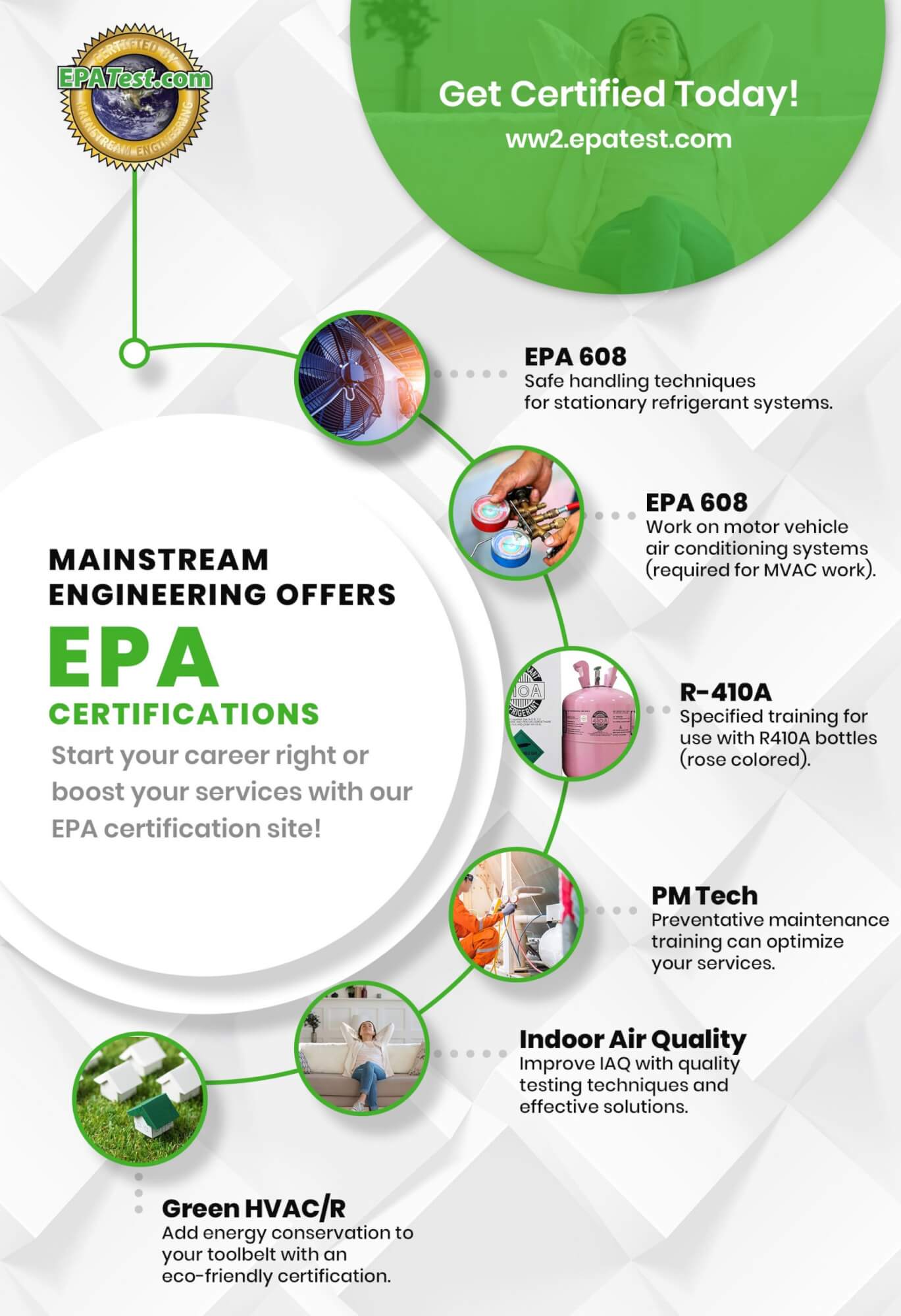
Source : ww2.epatest.com
First off, let’s clear the air. When we talk about EPA certification for HVAC, we’re almost always referring to the Section 608 certification. This is mandated by the U.S. Environmental Protection Agency, and it’s non-negotiable if you plan on working with refrigerants in stationary air conditioning, refrigeration, and heat pump equipment. It’s all about protecting the ozone layer and preventing harmful emissions. Simple as that.
What is Section 608?
Basically, the EPA created Section 608 of the Clean Air Act to regulate refrigerant handling. It requires anyone who maintains, services, or disposes of equipment containing refrigerants to be certified. This is a big deal for environmental protection. Without this certification, you simply can’t legally touch the stuff.
Why is it Mandatory?
The reason for this mandate is serious: refrigerants can be harmful to the environment. Think ozone depletion and global warming potential. The certification ensures technicians have the knowledge to handle these substances safely and responsibly. It’s a matter of compliance and environmental stewardship, plain and simple. Not following these rules can lead to hefty fines.
Types of Section 608 Certifications
Now, it’s not a one-size-fits-all deal. There are actually four types of Section 608 certifications: Type I, Type II, Type III, and Universal. Each targets different types of equipment. You’ll need to figure out which one(s) apply to the work you want to do. Most HVAC pros end up needing the Universal certification, as it covers all three types. This is often the goal.

Source : skillcatapp.com
- Type I: For small appliances (like a mini-fridge).
- Type II: For high-pressure refrigerants and medium-pressure systems (most common AC units).
- Type III: For low-pressure refrigerants (like those in large commercial chillers).
- Universal: Covers all three types. This is usually the most Full and sought-after certification.
The Road to EPA Certification: Study and Preparation
Okay, so you know why you need it. Now, let’s talk about the actual getting of it. The time it takes hinges heavily on your study habits and the preparation method you choose. There’s no magic wand here; you’ve got to put in the effort. Many people underestimate the amount of material covered.
Self-Study Options
The most common route is self-study. You can grab study guides, online courses, or even practice tests. This offers flexibility, allowing you to learn at your own pace. You can hammer the material in a week if you’re dedicated, or spread it out over a month. It’s all about your schedule and how quickly you absorb information. This is often the cheapest route too.
HVAC Training Programs
Many HVAC trade schools and vocational programs incorporate EPA 608 prep into their curriculum. If you’re enrolled in a full HVAC training program, this certification is often bundled in. The time frame here is usually dictated by the program’s length, which can range from a few months to over a year. This gives you structured learning and hands-on experience. It’s a more Full approach.
Understanding the Exam Content
The exam itself covers a range of topics. You’ll need to know about refrigerant properties, leak detection methods, recovery procedures, evacuation, and the Clean Air Act itself. There are also sections on safety and environmental impact. A solid understanding of these areas is Key for passing. Don’t just memorize; understand the principles. This is key for the Universal certification.
How Long Does the Study Period Actually Take?
So, let’s nail down a timeframe. How long are we talking, realistically? For someone starting with little knowledge, dedicating a few hours each week, you might be looking at anywhere from two to six weeks to feel truly prepared for the exam. This isn’t a rushed cram session; it’s a solid preparation period.
Accelerated Study
Can you do it faster? Absolutely. If you’re highly motivated, have some prior technical knowledge, or can dedicate significant time daily, you might be ready in as little as a week or two. Think intensive study boot camps. This requires serious focus and discipline. You’ll need to block out time and really dive in.
Extended Study
Conversely, if you’re juggling a full-time job or have other commitments, taking a couple of months to study is perfectly fine. There’s no rush, and better to be over-prepared than under. Rushing the process can lead to failing the exam, which is a waste of time and money. A slower pace allows for better retention.
Key Factors Influencing Study Time
Your background knowledge is a huge factor. Have you worked in a related field? Do you have a knack for technical subjects? Your learning style also plays a role. Some people learn best by reading, others by watching videos, and some need hands-on practice. Finally, the quality of your study materials matters. Good resources make the process smoother and faster.
Taking the EPA 608 Exam
Once you’ve studied, it’s exam time. This is where the rubber meets the road. The actual testing process is usually straightforward, but you need to know how it works. This isn’t a college final; it’s a certification test with specific requirements.
Source : reddit.com
Finding a Testing Facility
You can’t just walk into any old room and take the test. You need to find an EPA-approved testing facility. These are often run by professional organizations or HVAC schools. Your chosen certification provider (e.g., ESCO, NATE) will usually guide you on where to take the exam. Booking your test date is the next step.
The Exam Format
The exam is typically multiple-choice. The number of questions varies depending on the certification type (Type I, II, III, or Universal). For the Universal certification, you’ll typically need to pass all three individual tests (Type I, II, and III) plus a core exam. The passing score is usually around 70-80%. It’s designed to test practical knowledge, not obscure trivia. Don’t expect trick questions.
Passing Score and Results
Most exams require a score of 70% or higher to pass. You’ll usually receive your results immediately after completing the test, or shortly thereafter. If you pass, congratulations! You’ll receive your official certification card. If, by some chance, you don’t pass, don’t despair. You can usually retake the exam after a waiting period, often needing to purchase a new voucher. It’s a common occurrence.
Timeline : How Long Does It Really Take?
Let’s put it all together. The total time from deciding to get certified to holding that card in your hand involves several stages. We’re not just talking study time here; we’re talking the whole package. It’s a process, and understanding each step helps manage expectations. A clear picture is Needed.
Scenario 1: The Quick Route (1-3 Weeks Total)
This is for the highly motivated individual with some prior knowledge. They might use an intensive online course, study diligently for a few days or a week, and book the soonest available exam slot. This requires significant dedication and potentially sacrificing other activities. This is aggressive but doable for some.
Scenario 2: The Standard Route (4-8 Weeks Total)
This is probably the most common timeframe. It involves part-time studying over several weeks, perhaps attending a few weekend prep classes, and then scheduling the exam. This allows for a more balanced approach, fitting study around work and life. This allows for deeper comprehension.
Scenario 3: The Full Route (2-6 Months Total)
This often includes individuals enrolled in longer HVAC training programs or those who prefer a very slow, methodical study pace. They might take a certification course that spans several weeks or months. This often includes more hands-on practice and ensures a very thorough understanding. This is often part of a larger educational goal.
Remember, these timelines don’t include the time it might take to complete a full HVAC technician training program, which is a separate, longer commitment. The EPA 608 is a specific certification within the broader HVAC field. You can find more details on certification requirements at the official EPA website.
Cost Considerations for EPA Certification
Beyond time, there’s the financial aspect. Getting certified isn’t free, but it’s generally quite affordable, especially compared to the earning potential in HVAC. Understanding the costs helps budget effectively. You don’t want surprises derailing your plans.
Exam Fees
The cost of the exam itself varies by the testing organization. Typically, you’ll pay for an exam voucher or registration fee, which can range from $40 to $150. This often includes the cost of the exam and the certification card if you pass. Some providers offer bundles if you need multiple certifications.

Source : skillcatapp.com
Study Materials
If you’re self-studying, factor in the cost of books, online courses, or practice tests. These can range from $20 for a basic study guide to a few hundred dollars for a Full online course with video modules and mock exams. Investing in good materials can make the process much smoother.
Training Program Costs
If you’re going through a formal HVAC training program, the EPA 608 certification is often included. However, these programs themselves can cost anywhere from a few thousand to tens of thousands of dollars, depending on the institution and duration. This is a much larger investment, but it typically covers much more than just the EPA test. Check out resources like auto.edu for insights into broader technician training timelines and costs.
Beyond EPA 608: Other HVAC Certifications
While EPA 608 is mandatory for refrigerant handling, it’s often just one piece of the puzzle for an HVAC professional. There are other certifications that can boost your skills, credibility, and earning potential. Think of these as ways to specialize or prove a higher level of expertise. It shows commitment to the trade.
NATE Certification
NATE (North American Technician Excellence) is a highly respected industry certification. It covers a broad range of HVAC installation and service knowledge. Earning NATE certification signifies a high level of competence and often leads to better job opportunities and higher pay. This is a voluntary certification, but well-regarded. It requires passing rigorous exams.
Manufacturer-Specific Certifications
Many major HVAC manufacturers offer their own training and certification programs. These focus on their specific equipment lines, like Trane, Carrier, or Lennox. Getting certified on specific brands can make you a valuable asset to employers who install or service that equipment. It’s a niche but important area.
State and Local Licensing
Depending on where you live and work, you might also need state or local licenses in addition to EPA certification. These can vary widely. Some states require general contractor licenses, while others have specific HVAC licenses. Researching your local requirements is Needed. This ensures full legal compliance.
Is the Time Investment Worth It?
Absolutely. Let’s be blunt: this certification is your gateway. Without it, you’re severely limited in what HVAC jobs you can do. The time you invest in studying and passing the exam pays dividends quickly. Think of the guy running a small pizza shop on 4th Street – he can’t just start slinging pies without knowing how to make dough. It’s the same in HVAC. This certification is fundamental.
Increased Employability
Having your EPA 608 certification makes you a much more attractive candidate to employers. It signals that you’re serious about the profession and have met a legal requirement. Many jobs simply won’t consider applicants without it. It opens doors that would otherwise remain firmly shut. You become a more viable candidate almost immediately.
Higher Earning Potential
Certified technicians generally earn more than their uncertified counterparts. This isn’t just about the EPA card; it’s about the skillset and responsibility that comes with it. Employers are willing to pay more for technicians who can legally and competently handle refrigerants. It’s a direct correlation between certification and income. FieldEdge offers insights into how software can boost technician efficiency and earnings, which ties into overall career success: check out their perspective.
Professional Credibility
Getting certified lends you professional credibility. It shows clients and colleagues that you adhere to industry standards and environmental regulations. This trust is Crucial in a service-oriented trade. It builds confidence and reputation. People want to work with pros they can rely on.

Source : fieldedge.com
Handling the Certification Process Efficiently
Want to get through this without wasting time? Focus is key. Plan your study schedule, choose reliable materials, and book your exam strategically. Don’t procrastinate. Procrastination is the thief of time and opportunity, especially in a trade where skills are in demand. Treat it like any other important project.
Create a Study Schedule
Dedicate specific blocks of time each week for studying. Whether it’s 30 minutes a day or a few hours on the weekend, consistency is Key. Treat your study sessions like appointments you can’t miss. This structured approach prevents cramming and aids retention.
Choose Quality Study Resources
Don’t skimp on study materials. Opt for reputable providers known for accurate and up-to-date information. Online courses often offer the best blend of convenience and Full coverage. Good materials can significantly shorten your learning curve. Investing a little more upfront saves time and frustration later.
Book Your Exam Strategically
Once you feel confident, book your exam. Don’t wait too long, or you might lose momentum. But don’t book it so soon that you’re unprepared. Aim for a date about a week after you anticipate finishing your core studying. This gives you buffer time for review. Consider exam availability in your area too.
Getting EPA certified for HVAC is a Key step. While the exact time varies, understanding the process—from studying the material to passing the exam—empowers you to plan effectively. It’s an achievable goal that significantly boosts your career prospects. Don’t delay; get certified and get working!
Frequently Asked Questions
How much does it cost to get your EPA certification for HVAC?
Because it varies a bit depending on where you test and what study materials you grab, but generally, you’re looking at anywhere from $50 to $150. Some folks just buy the test voucher, others get a full study package. Gotta factor in the EPA 608 certification cost.
Is it hard to pass the EPA 608 exam?
But honestly, it’s not rocket science. If you put in a little study time with some decent prep materials, most people find it pretty manageable. Think of it like a high school science test, but for HVAC regulations.
Can I get a HVAC job with EPA certification?
Absolutely! In fact, for most HVAC technician jobs, that EPA 608 certification isn’t just a nice-to-have, it’s a must-have. Employers practically require it to handle refrigerants legally.
Can you take your 608 EPA online at home?
Yeah, for the most part, you can take the test online from home these days. You’ll still need to find an online proctored exam option, but it’s way more convenient than heading to a physical testing center.
How long does it typically take to get EPA certified for HVAC?
Because most people can study and pass the exam within a week or two. If you’re really cramming, you could even do it in a couple of days. It’s all about how much time you dedicate to understanding the EPA 608 material.
0 Response to "How Long Does It Take To Get Epa Certified For Hvac"
Post a Comment