How To Become Hvac Certified In 6 Months Or Less
Ready to Ditch the Dead-End Job? HVAC Certification in 6 Months is No Joke.
Look, I get it. You’re probably staring at your bank account, feeling that familiar pinch, and wondering if there’s a better way. Maybe you’re tired of busting your tail for peanuts. Or perhaps you’re just craving a career with actual stability and good money. Well, ditch the endless scrolling for “easy money schemes.” Let’s talk about something real: HVAC certification. And yeah, you can actually pull this off in six months or less. Don’t let anyone tell you otherwise; it’s totally doable if you’re focused.
Why You Should Seriously Consider HVAC Right Now
Forget the fluff. The HVAC industry is booming. Think about it: everyone needs their AC blasting in the summer and their heat kicking in during the winter. These aren’t luxuries anymore; they’re necessities. This translates directly into consistent job security for guys and gals who know their stuff.
The “Six-Month Sprint” Mindset
This isn’t a leisurely stroll in the park. Becoming certified quickly means you need to be sharp, dedicated, and ready to hit the ground running. It’s about intense focus, not just showing up. You’re investing time now for a massive payoff later. Think of it like training for a marathon – you can’t just casually jog there; you gotta put in the work.
What “Certified” Actually Means
Let’s clear this up right away. “Certified” usually means you’ve passed a specific exam, often demonstrating proficiency in handling refrigerants (that’s the EPA Section 608 certification, a biggie). It proves to employers you’re not just guessing; you’ve got the official backing. It’s your ticket in the door.
Cracking the Code: Your 6-Month HVAC Certification Roadmap

Source : hvaccareernow.com
Alright, so how do we actually make this happen without dragging it out for years? It boils down to smart choices and a solid plan. You can’t just wing it and expect results, right? This isn’t your grandpa’s apprenticeship where you’re fetching coffee for three years.
Step 1: Choosing the Right Training Program (Fast-Track Edition)
This is critical. You need a program designed for speed and efficiency. Forget the four-year degrees; we’re talking about intensive, hands-on training. Look for schools that pride themselves on short, focused courses. Many institutions, like the University of Houston’s HVACR program, offer accelerated paths specifically to get you job-ready fast.
Source : pennfoster.edu
Online vs. In-Person: What’s Your Speed?
Online courses can offer flexibility, sure. But for HVAC, nothing beats getting your hands dirty. An in-person program lets you practice on real equipment, under the watchful eye of experienced instructors. You’ll learn troubleshooting and diagnostics way faster when you can physically see and feel what’s going on. It’s about building that muscle memory.
Accreditation Matters: Don’t Get Fooled
Make sure the school you pick is legit. Look for accreditation from recognized bodies. This ensures the training meets industry standards and, more importantly, that the certification you earn will actually be respected by employers. Nobody wants a certificate from a diploma mill, trust me.
Step 2: Mastering the Core HVAC Concepts Quickly
There’s a lot to learn, no doubt. But a good accelerated program will hone in on the essentials. You’ll cover everything from basic electrical principles and safety to refrigeration cycles and common system components. It’s about absorbing the most Key information efficiently.
The EPA 608 Test: Your First Major Hurdle
This is non-negotiable. The EPA Section 608 certification is mandatory for anyone handling refrigerants. Your training should prepare you specifically for this exam. Understanding refrigerant types, recovery procedures, and environmental regulations is key. Passing this test is often your entry ticket to getting hired.
Practical Skills: More Than Just Theory
You could read a thousand books, but until you’ve actually wired a thermostat or brazed a copper line, you’re not ready. Hands-on training is where the real learning happens. You’ll be working with tools, diagnosing problems, and building confidence. This is the stuff employers are really looking for.
Step 3: Ace Your Certification Exams
Once your training is complete, it’s exam time. Most programs will have their own internal tests, but the big ones are the industry-recognized certifications. Your goal is to pass these with flying colors. Think about it: a high score on your certification exam tells potential employers you’re not just competent; you’re excellent.
Study Smarter, Not Just Harder
Use practice tests and study guides provided by your program. Focus on areas where you feel weakest. Repetition is your friend here. Don’t cram; integrate studying into your daily routine. Even 30 minutes a day can make a huge difference in retention.
Understanding Different Certification Types
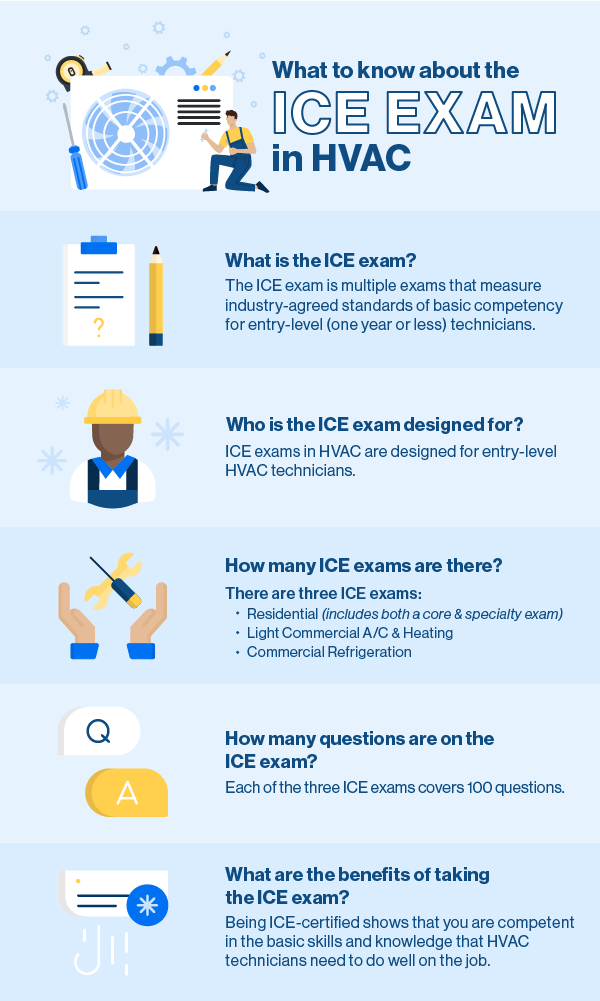
Beyond the EPA 608, there are other certifications like NATE (North American Technician Excellence). While not always required initially, NATE certifications are highly respected and can significantly boost your career prospects. Some programs might even include preparation for these. It’s all about building your resume’s credibility.
The “Done in 6 Months” Reality Check: What to Expect

Source : immerselearn.com
Let’s be real. This isn’t magic. It takes dedication. But the payoff? It’s huge. Think about the speed at which you can enter a high-demand field. This timeline is absolutely achievable for those who are driven.
Time Commitment: It’s Intense
A 6-month program means you’re dedicating a significant chunk of your time. Expect classes, labs, and study sessions that demand your attention. You might need to cut back on other commitments for this period. It’s a sprint, remember? Full immersion is required.
Cost Considerations: Investing Wisely
Vocational training costs money. However, compare it to a four-year degree. HVAC programs are significantly more affordable and offer a much faster return on investment. Look for programs with financing options or even grants if available. The average cost can vary widely, but getting a handle on this early is smart. Check out resources like HVAC Career Now for insights into program costs and timelines.
Job Prospects Post-Certification: Brighter Than You Think
Once you’ve got that certificate in hand, doors start opening. The demand for skilled HVAC technicians is massive and growing. You’ll find opportunities in residential, commercial, and industrial settings. Many graduates are job-ready right out of school.
Handling the Job Market: Landing Your First HVAC Gig
So you’ve got the certification. Now what? It’s time to put that hard-earned knowledge to work. Landing that first job is about presenting yourself effectively and knowing where to look.
Crafting a Killer Resume
Highlight your new certification front and center. List any specific skills you gained, like troubleshooting, system installation, or refrigerant handling. Mention any hands-on projects or lab work you excelled at during your training. Employers want to see practical application.
Where to Find HVAC Jobs
Online job boards are obvious starting points. But don’t underestimate local connections. Talk to your instructors; they often have ties to local companies looking for graduates. Attend career fairs hosted by your training institution. Networking is surprisingly powerful in this trade. Look for entry-level technician roles.
Interview Tips for Aspiring Technicians
Be prepared to talk about your training and why you chose HVAC. Emphasize your eagerness to learn and your understanding of safety protocols. Show enthusiasm! Employers want to see that you’re not just looking for a paycheck but are genuinely interested in the field of HVAC.
Understanding Different HVAC Certification Levels

Source : immerselearn.com
It’s not just a one-and-done deal. The world of HVAC certifications actually has layers. Understanding these can help you plan your career progression from day one.
EPA Section 608: The Foundation
This is the big one. You can’t legally work with refrigerants without it. There are different types (Type I, II, III, Universal), depending on the specific equipment you’ll be working with. Most entry-level programs will prepare you for the Universal certification, which covers all types.
NATE Certifications: The Gold Standard
NATE (North American Technician Excellence) is a voluntary certification, but it’s highly respected. It shows a deep understanding and expertise. Holding NATE certifications can lead to better pay and more advanced job opportunities. Think of it as a masterclass for HVAC techs.
Core vs. Specialty NATE Exams
NATE offers a Core exam, which is foundational, and then various specialty exams for installation and service across different equipment types (like air conditioning, heat pumps, gas furnaces). Passing the Core exam is usually the first step towards earning specialty credentials.
Manufacturer-Specific Certifications
Some manufacturers offer their own training and certifications for their specific equipment lines. While not as broadly applicable as EPA or NATE, these can be valuable if you plan to specialize with a particular brand, especially with major HVAC brands.
Key Differences: Accelerated vs. Traditional HVAC Training
Why choose the fast track? It’s all about efficiency and getting you into a solid career sooner rather than later. The differences are stark.
Time to Completion
This is the most obvious difference. Accelerated programs are designed to condense the learning material into 6 months or less. Traditional programs, especially those that might be part of a larger community college curriculum, can take a year or more.
Curriculum Focus
Accelerated courses are laser-focused on the skills and knowledge needed to pass certification exams and perform Needed job duties. Traditional programs might include more general education courses, which aren’t directly relevant to becoming an HVAC tech quickly.
Hands-On Intensity
While both types of programs offer hands-on training, accelerated courses often pack more practical, real-world application into a shorter timeframe. Every hour is maximized for skill development.
Watch: HVAC Tech Certification Complete Guide for 2025!
Cost Comparison: The ROI Factor
Shorter programs typically cost less overall due to the reduced time commitment. When you factor in the quicker entry into the workforce and earning potential, the return on investment for accelerated training is often much higher and faster.
Pros and Cons of a 6-Month HVAC Certification Path
Like anything, there are trade-offs. Understanding these helps you make an informed decision. Is the speed worth the intensity?
The Upside: Speed and Affordability
- Rapid Entry: Get into a stable, well-paying career field much faster than traditional routes.
- Lower Cost: Generally less expensive overall than longer programs.
- High Demand: Addresses an immediate need in the job market for skilled technicians.
- Focused Skills: Training is directly relevant to the job, no fluff.
- Earning Potential: Start earning a good wage sooner.
The Downside: Intensity and Sacrifice
- Demanding Pace: Requires significant focus and dedication; can be overwhelming if not prepared.
- Less Breadth: May cover fewer advanced or theoretical topics compared to longer programs.
- Initial Burnout Risk: The intense schedule might feel like a lot initially.
- Limited Networking Time: Shorter timeframe means less time to build extensive connections within the program.
- Requires Discipline: You have to be self-motivated to keep up.
Needed Tools and Equipment for New HVAC Techs
Once you’re certified and ready to hit the field, you’ll need some basic tools. Many programs provide a starter kit, but it’s good to know what you’ll be using.
Your Needed Toolkit
- Screwdrivers and Nut Drivers: A variety of sizes are Key.
- Pliers: Linesman, needle-nose, and slip-joint are common.
- Wire Strippers and Cutters: For electrical work.
- Adjustable Wrenches: For various fittings.
- Refrigerant Gauges and Hoses: Needed for EPA work.
- Manifold Gauge Set: Critical for AC and refrigeration diagnostics.
- Digital Multimeter: For electrical testing.
- Leak Detector: To find refrigerant leaks.
- Handheld Vacuum Pump: For system evacuation.
Safety Gear: Non-Negotiable
Safety is Top in HVAC. Never compromise on your PPE (Personal Protective Equipment). This includes:
- Safety Glasses: Always wear them when working with tools or systems.
- Work Gloves: Protect your hands from cuts and burns.
- Steel-Toed Boots: Needed for job site safety.
- Hard Hat: May be required on some commercial sites.
- Proper Clothing: Avoid loose-fitting clothes that can get caught.
Advanced Diagnostic Tools (As You Progress)
As you gain experience, you might invest in more advanced tools like combustion analyzers, psychrometers, or infrared thermometers. These help in more complex diagnostics and system efficiency checks. But start with the basics for certification.
The Future Outlook: Why HVAC is a Smart Career Move
Choosing HVAC isn’t just about getting a job; it’s about building a career. The outlook is incredibly strong, offering stability and growth for decades to come.

Source : fieldedge.com
Consistent Demand Across the Board
Heating, ventilation, air conditioning, and refrigeration are not optional services. They are critical for homes, businesses, hospitals, data centers – literally everywhere. This means steady work for qualified technicians, regardless of economic downturns.
Opportunities for Specialization and Growth
With experience and further certifications (like NATE), you can specialize in areas like commercial refrigeration, geothermal systems, or smart home integration. You can move into supervisory roles or even start your own business. The ceiling is high.
Technological Advancements in HVAC
The field is constantly evolving with new technologies, like variable-speed motors, smart thermostats, and greener refrigerants. Staying current means you’ll always be in demand. It’s a field that requires continuous learning, which keeps things interesting and challenging.
Average Salary Expectations
Entry-level salaries can vary by location, but they are often significantly higher than minimum wage jobs. With experience and certifications, HVAC technicians can earn very comfortable livings. Check local job postings for realistic salary ranges in your area. It’s a solid middle-class career path.
Table: Comparing HVAC Training Program Options
| Feature | Accelerated Program (6 Months) | Traditional Community College Program (1-2 Years) | Apprenticeship (Long-Term) |
|---|---|---|---|
| Time to Certification | Fast (Under 6 months) | Moderate (1-2 years) | Slow (2-5 years) |
| Curriculum Focus | Job-specific, practical skills | Broader, includes general education | On-the-job learning, gradually increasing complexity |
| Cost (Overall) | Lower | Moderate to High | Low tuition, potentially lower starting wages |
| Hands-On Training | Intensive, focused | Included, but spread out | Primary method of learning |
| Job Readiness | High, immediate | Moderate, after program completion | Gradual, builds over time |
| Best For | Quick career change, immediate income needs | Broader education, longer-term planning | Learning while earning, deep practical experience |
Frequently Asked Questions
What are the basic requirements to start HVAC certification?
Because you’re aiming for quick certification, you’ll usually need a high school diploma or GED. Some programs might want you to pass a basic skills test, especially in math and reading. It’s all about making sure you can handle the technical stuff. Plus, no major criminal record usually.
What’s the fastest way to get HVAC certified?
But the fastest way is definitely an accelerated HVAC certificate program. These are designed to cram all the Needed knowledge and hands-on training into a short timeframe, like your 6 months or less goal. Think trade schools or community colleges offering intensive courses. You’ll be hitting the ground ruing.
How much does HVAC certification cost?
It really varies, but expect anywhere from a few hundred to a few thousand dollars. This depends on the school, the program length, and what’s included. Some might have extra fees for tools or exams. It’s a solid investment for a career.
What kind of jobs can I get with HVAC certification?
Oh, lots of stuff! You’ll be qualified for roles like HVAC technician, installer, or service repairman. Companies need folks to keep their heating, ventilation, and air conditioning systems ruing smoothly. It’s a high-demand field.
Is 6 months enough time to become a competent HVAC technician?
While 6 months can get you certified and ready for entry-level work, becoming truly competent takes ongoing experience. The certification gives you the foundation, but mastering the trade happens on the job, learning from experienced pros, and tackling different challenges. You’ll be job-ready, but there’s always more to learn!
0 Response to "How To Become Hvac Certified In 6 Months Or Less"
Post a Comment