How To Become Workday Certified Without An Employer Sponsor
So, You Want to Be Workday Certified Without a Job? Let’s Talk.
Alright, let’s cut through the fluff. You’re staring down the barrel of wanting a shiny new Workday certification, but the usual route – a company footing the bill and sending you to training – just isn’t in the cards. Maybe you’re a freelancer, a career-changer, or just someone who likes to forge their own path. Whatever the reason, the thought of tackling this solo can feel a bit daunting, right? I get it. It’s like wanting to climb Mount Everest without a Sherpa. But is it impossible? Absolutely not. It just takes a different kind of grit and a whole lot more hustle.
Forget those sterile, AI-sounding guides. This is the real deal. We’re going to break down exactly how you can snag that coveted Workday credential on your own terms, without needing a corporate hand to hold. It’s not easy, but man, is it worth it when you finally get there.
Why Bother with Workday Certification Anyway?
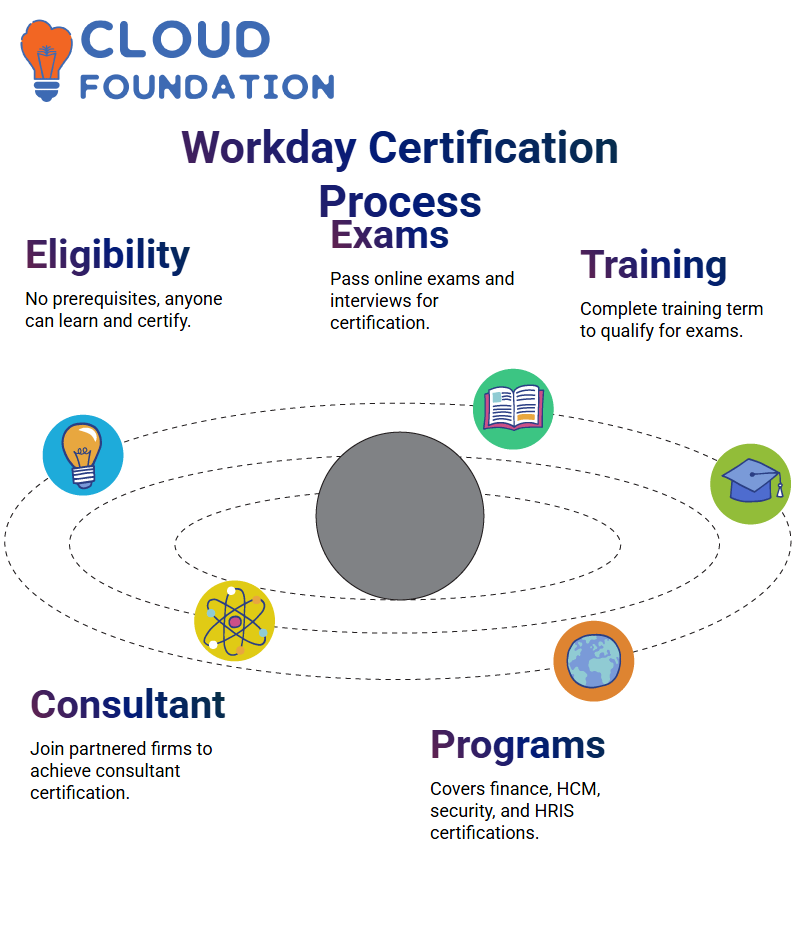
Source : cloudfoundation.com
The Golden Ticket in the Tech World
Let’s be blunt: Workday certification is practically a golden ticket in the enterprise software space. Companies are practically tripping over themselves to hire folks who know their way around Workday HCM, Finance, or Payroll. It’s not just a piece of paper; it’s a stamp of approval. It says, “I know this system, I can implement it, and I can make your business run smoother.” Think about the competitive edge it gives you. Suddenly, you’re not just another applicant; you’re a specialist.
Cracking the Code for Better Pay and Opportunities
You want to talk about money? Because that’s usually the elephant in the room. Holding a Workday certification directly correlates with higher earning potential. Recruiters see it, hiring managers see it, and they know you’re bringing immediate value. It opens doors to roles you might not even qualify for otherwise. We’re talking about becoming a go-to expert, a consultant who can command top dollar for their skills. It’s about moving up the ladder, or maybe even building your own ladder.
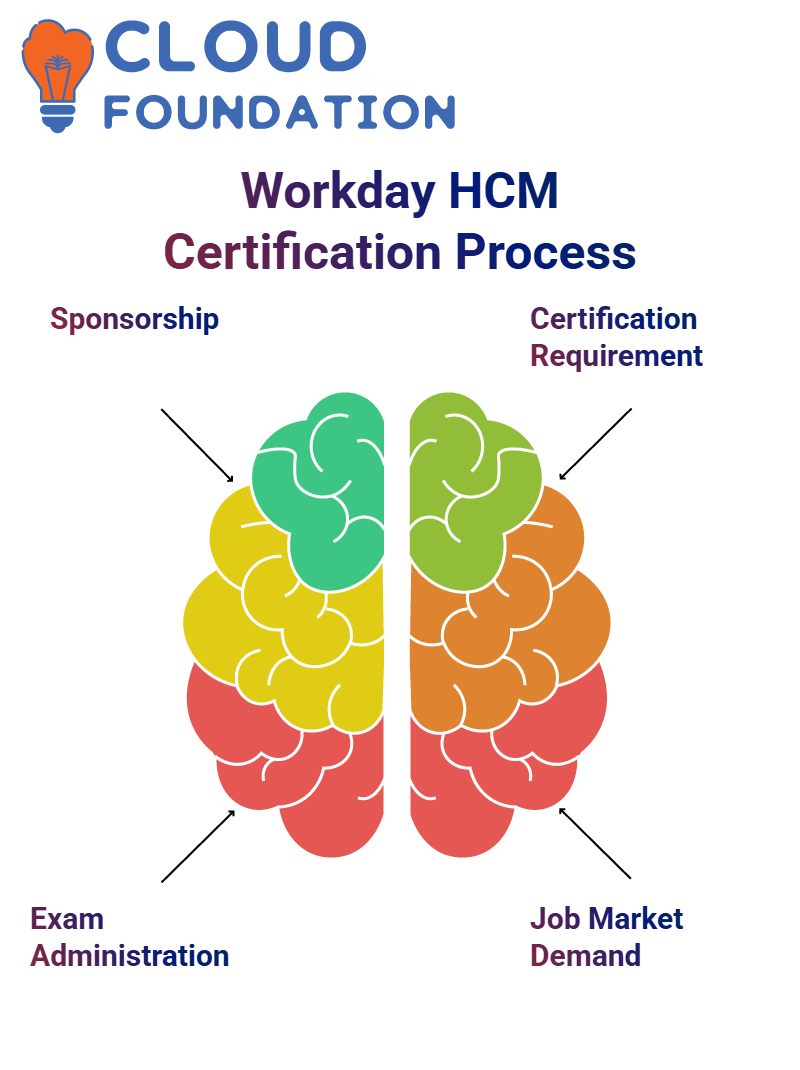
Source : cloudfoundation.com
Flexibility and Freedom: Your New Best Friends
One of the biggest draws? The sheer flexibility that comes with being certified. Companies need Workday pros, and they need them now. This means you often have your pick of projects, whether you want to travel the world consulting, work remotely from your home office, or take on short-term, high-impact gigs. A Workday certification is your ticket to calling the shots on your career, rather than letting a job description dictate your life.
The Brutal Truth: Workday Training Isn’t Cheap
Official Training: The Corporate Playbook
Let’s get real about costs. The official Workday training courses? They’re pricey. Like, really pricey. That’s why companies usually sponsor their employees. They pay thousands of dollars per employee for these intensive courses. You’re looking at costs that can easily hit the $5,000 to $10,000 mark, sometimes even more, depending on the specific module and the duration. For an individual, that’s a significant chunk of change. It’s a huge barrier if you’re trying to go it alone.
Exam Fees: The Gatekeepers
Even if you somehow manage to self-study or find unofficial resources (more on that later), you still have to pay for the exam itself. These aren’t pocket change either. Typically, you’re looking at fees that range from a few hundred to over a thousand dollars per exam attempt. And guess what? You might not pass the first time. That means potentially shelling out more cash, adding to the overall investment. It’s a serious financial commitment.
Hidden Costs: Don’t Forget the Extras
Think the training and exam fees are all you need? Think again. There are other costs to factor in. You’ll likely need updated study materials, maybe access to practice environments (if you can find them), and perhaps even coaching or mentoring. If you’re taking time off work to study, you’re losing income. These hidden costs can really add up, making the solo journey even more expensive than you initiallyBudgeted for.
Handling the Maze: Your Path to Self-Study
Workday’s Official Learning Platform: A Glimpse (If You’re Lucky)
Workday’s official training is primarily delivered through their own learning management system. Getting direct access as an individual without a partnership or employer affiliation is… tricky. Very tricky. It’s designed for their partners and their customers. While some foundational learning might be available publicly (think basic overviews), the deep-dive, certification-track courses are typically locked down. You’d essentially need to be employed by a company that’s a Workday customer or partner to get the full, official curriculum. It’s a bit of a Catch-22, isn’t it?
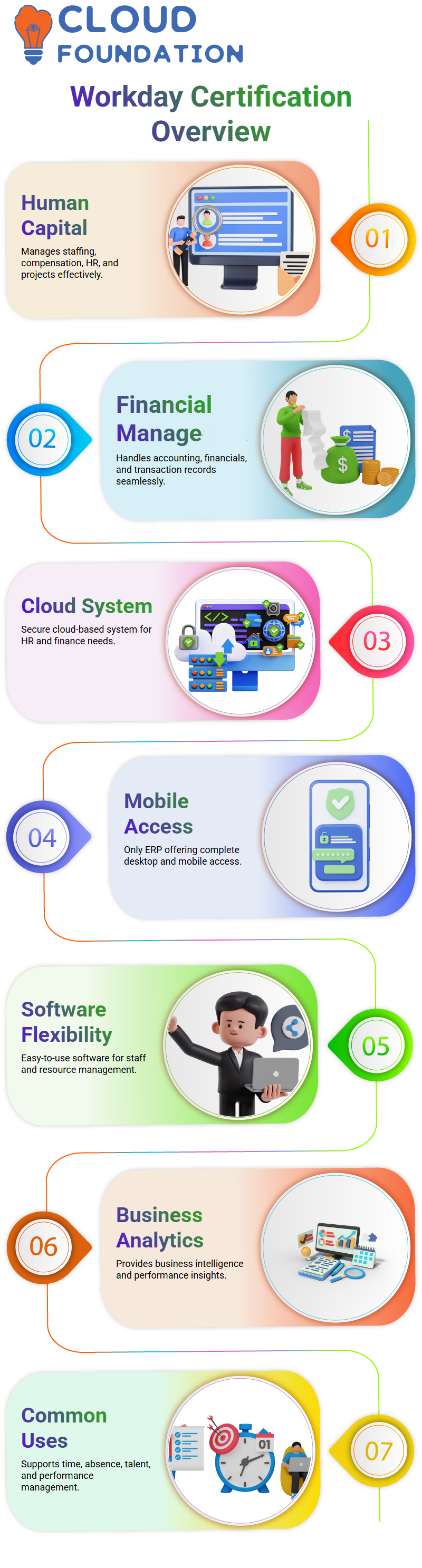
Source : cloudfoundation.com
The Power of Community: Finding Your Tribe
This is where the real magic happens for the independent learner. You absolutely need to connect with others on the same path. Online forums, LinkedIn groups, even dedicated Slack channels – these are your lifelines. People share tips, resources, and insights. You can ask questions, get clarification on tricky topics, and find out what really matters for the exams. I’ve seen people form study groups and share the burden of understanding complex modules. It makes the process less lonely and way more effective. Don’t underestimate the power of a good online community; it’s Crucial.
Unofficial Resources: Use With Caution
Okay, let’s talk about the elephant in the room: unofficial training providers. You’ll find them online, promising the moon. Some are decent, offering condensed courses or practice exams that can supplement your knowledge. Others? Well, they might be selling outdated materials or giving you a watered-down version of what you actually need. It’s a minefield. Do your due diligence. Look for providers with good reviews, clear content, and a track record of helping people pass. Remember, Workday updates its system regularly, so Make sure any resources you use are current. This is a critical point for successful certification. You can find information on Workday certifications through guides like this one, which often discuss various training avenues.
Choosing Your Workday Certification Weapon
Workday HCM: The Foundation
If you’re just starting out, or if your interest lies in the core employee management side of things, Workday HCM (Human Capital Management) is often the go-to first certification. It covers everything from core HR, recruiting, absence management, performance, and compensation. It’s the bedrock upon which many other Workday modules are built. Most companies use HCM, so it’s a safe bet for marketability. It’s widely recognized and forms the basis for many consulting roles.
Workday Financial Management: The Money Side
Got a knack for numbers and business processes? Then Workday Financial Management might be your jam. This certification dives into accounting, revenue management, procurement, projects, and expenses. It’s Key for organizations looking to streamline their financial operations. If you’ve got a background in finance or accounting, this could be a natural progression for you. Understanding how Workday handles money is a huge asset for any enterprise.
Specialized Modules: Niche Expertise
Beyond the big two, Workday offers a whole suite of specialized certifications. Think Workday Payroll, Workday Time Tracking, Workday Recruiting, Workday Learning, and even more advanced areas like Workday Extend. Choosing a specialized module depends entirely on your interests and career goals. Do you love the intricacies of payroll processing? Are you fascinated by talent acquisition? Specializing can make you a highly sought-after expert in a particular niche. It shows you’ve gone deep, not just wide.
Matching Your Skills to the Market
The trick is to Match your certification choice with your existing skills and the demands of the job market. What kind of roles are you targeting? What industries interest you? Research job postings. See which Workday modules are consistently mentioned. Sites like this guide often break down the different certifications and their market relevance. Don’t just pick something because it sounds cool; pick something that’s going to pay the bills and advance your career.
Watch: How to Become Workday Certified | Workday Training Guide …
The Exam Itself: What to Expect
It’s Not Your Average Test
Let’s dispel a myth right now: Workday certification exams are not multiple-choice quizzes you can cram for the night before. They are rigorous, scenario-based assessments designed to test your practical application of the system. You’ll be given complex business problems and expected to demonstrate how you would configure Workday to solve them. Think problem-solving, not just memorization. This requires hands-on practice, not just reading about it.
Scenario-Based Challenges: Think Like a Consultant
Expect questions that start with, “A client is experiencing X issue…” or “How would you configure Y process for a company of Z size?”. You’ll need to navigate the Workday interface (often in a simulated environment), understand configuration options, and make informed decisions. It’s about showing you can do the job, not just talk about it. This is why practical experience, even self-taught, is so Key. You need to have wrestled with these scenarios before.
Time Management is Key
These exams are timed. Fiercely timed. You won’t have the luxury of leisurely exploring every option. You need to quickly identify the core issue, recall the relevant Workday functionalities, and implement the solution efficiently. Practicing under timed conditions is absolutely Needed. Many candidates find they run out of time on their first attempt simply because they weren’t prepared for the pace. Don’t let that be you!
Passing Scores and Retakes
While specific passing scores can vary and aren’t always publicly disclosed, know that they are set to Make sure a high level of competency. If you don’t pass, don’t despair. It’s common. The key is to get feedback (if available), identify your weak areas, and strategize your next attempt. Remember those exam fees we talked about? Plan for the possibility of needing to retake the exam. It’s part of the process for many.
Building Your Experience (Even Without a Job)
The Mock Project Approach
This is Key. How do you get experience if no one will hire you without certification, and you can’t get certified without experience? You create your own. Set up a detailed mock project for yourself. Imagine a fictional company – give it a name, an industry, a size, and specific business challenges. Then, pretend you are implementing Workday for them. Document everything. Configure processes, build reports, test security settings. Treat it like a real client engagement. This builds a portfolio and deepens your understanding immensely.
Source : igmguru.com
Volunteer Your Skills (Strategically)
Look for non-profits or small organizations that might benefit from Workday expertise but can’t afford a consultant. Offer your services on a pro-bono basis. Be upfront about your learning status but highlight your commitment and the skills you do have. This provides real-world exposure and valuable references. It’s a win-win: they get help, and you get hands-on experience and resume fodder. Just be selective; pick projects that Match with the certification you’re aiming for.
Use Free Resources and Sandboxes (If Possible)
Workday occasionally offers trial versions or learning environments, though access for individuals is rare. Keep an eye on their developer network or partner portals for any opportunities. Even if you can’t get a live sandbox, Use free webinars, documentation, and community discussions. Understanding the theory and concepts is the first step, even if practical application is harder to come by initially. You can often find detailed process flows and configuration guides through community channels.
The Financial Breakdown: Solo Certification Costs
Let’s lay it all out. Becoming Workday certified without employer sponsorship is a significant financial undertaking. Here’s a rough breakdown to help you budget. Remember, these are estimates and can vary wildly.
| Cost Component | Estimated Range (USD) | Notes |
|---|---|---|
| Official Workday Training Course (per module) | $5,000 – $10,000+ | This is the biggest hurdle. Often requires partnership access. |
| Unofficial Training/Bootcamp | $500 – $3,000 | Varies greatly in quality and depth. Research carefully. |
| Certification Exam Fee (per attempt) | $400 – $1,200 | Needed gatekeeper fee. |
| Study Materials & Resources | $100 – $500 | Books, online courses, practice tools. |
| Potential Retake Fees | Add Exam Fee Range | Factor in the possibility of not passing first time. |
| Lost Income (if taking time off) | Highly Variable | Calculate your current salary/hourly rate. |
| Total Estimated Investment | $6,000 – $15,000+ | This highlights the significant commitment required. |
Is It Worth the Investment? Absolutely.
The ROI is Undeniable
Look, nobody drops thousands of dollars lightly. But let’s talk Return on Investment (ROI). A certified Workday professional can easily command salaries starting in the six figures, especially with experience. Compare that to the investment? The payback period can be surprisingly short. You’re not just spending money; you’re investing in a high-demand skill set that companies are desperate for. The potential salary increase alone makes it a smart financial move over time.

Source : acetechnologies.com
Long-Term Career Stability
The tech world moves fast, but Workday isn’t going anywhere. It’s a dominant player in the enterprise software market. Getting certified now positions you for a stable, lucrative career for years to come. It’s not a fad; it’s a foundational technology for many of the world’s largest businesses. This certification provides a level of career security that’s hard to find in many other fields. You become a valuable, Key asset.
The Power of Saying “Yes”
Getting certified on your own empowers you. It demonstrates initiative, self-discipline, and a serious commitment to your professional growth. When you can walk into a job interview or a client meeting and say, “Yes, I am Workday certified,” it carries immense weight. It opens doors, commands respect, and gives you Use. That feeling? Priceless. It’s about taking control of your destiny.
Final Thoughts: Go Get It.
So, can you become Workday certified without an employer sponsor? You bet. Is it a walk in the park? Heck no. It requires serious dedication, financial planning, and a proactive approach to learning and gaining experience. You’ll need to be resourceful, connect with the community, and be prepared for the financial outlay. But the rewards? They are Large. A respected certification, a pathway to a high-paying career, and the satisfaction of achieving a tough goal on your own terms. Now, stop reading about it and start planning your move. Your future self will thank you.
Frequently Asked Questions
Who is eligible for Workday certification?
Honestly, pretty much anyone who’s got the drive and can pass the exams can get Workday certified. It’s not just for folks already in the industry. If you’re looking to break into the field or upskill, you’re good to go. You just need to be able to demonstrate you’ve got the chops.
How much does it cost to be Workday certified?
Because you’re going it alone, expect to foot the bill yourself. Prices can vary depending on the specific Workday module you’re targeting, but generally, you’re looking at a few thousand dollars for training and exams. It’s an investment, for sure, but think about the potential return!
How can you get Workday certified?
Well, since your employer isn’t sponsoring you, you’ll need to find an official Workday training provider. They offer courses, study materials, and the exams themselves. You can also often find practice tests and resources online to help you prepare. It’s all about self-study and passing those rigorous exams.
Can I get Workday certified without any prior experience?
Sure, you can! But it’s goa be tough. Most people who go for Workday certification have some background in HR, finance, or IT. If you’re coming in fresh, you’ll really need to commit to the learning process and maybe even take some introductory courses first to get a feel for the concepts.
What are the benefits of Workday certification if my employer isn’t paying?
Think of it as a direct investment in your career. Getting that Workday certification on your own proves you’re proactive and dedicated. It can open doors to new job opportunities, higher salaries, and makes you a more attractive candidate to companies looking for skilled Workday professionals, even if they don’t offer sponsorship themselves.
0 Response to "How To Become Workday Certified Without An Employer Sponsor"
Post a Comment