How Long Does It Take To Become Cna Certified Online
How Long Does It Take To Become Cna Certified Online
So, you’re wondering about the CNA certification timeline, specifically how long it takes to get it done online. Let’s cut to the chase: it’s not exactly a simple “click and you’re done” situation. While online components definitely speed things up, you’re still looking at a commitment.
Forget those ads promising you’ll be a CNA in a weekend. It just doesn’t work that way. There’s real training involved, and hands-on practice is non-negotiable. But yeah, the online stuff? It makes it way more manageable for busy folks.
Understanding the CNA Certification Process
Source : collegemoneytips.com
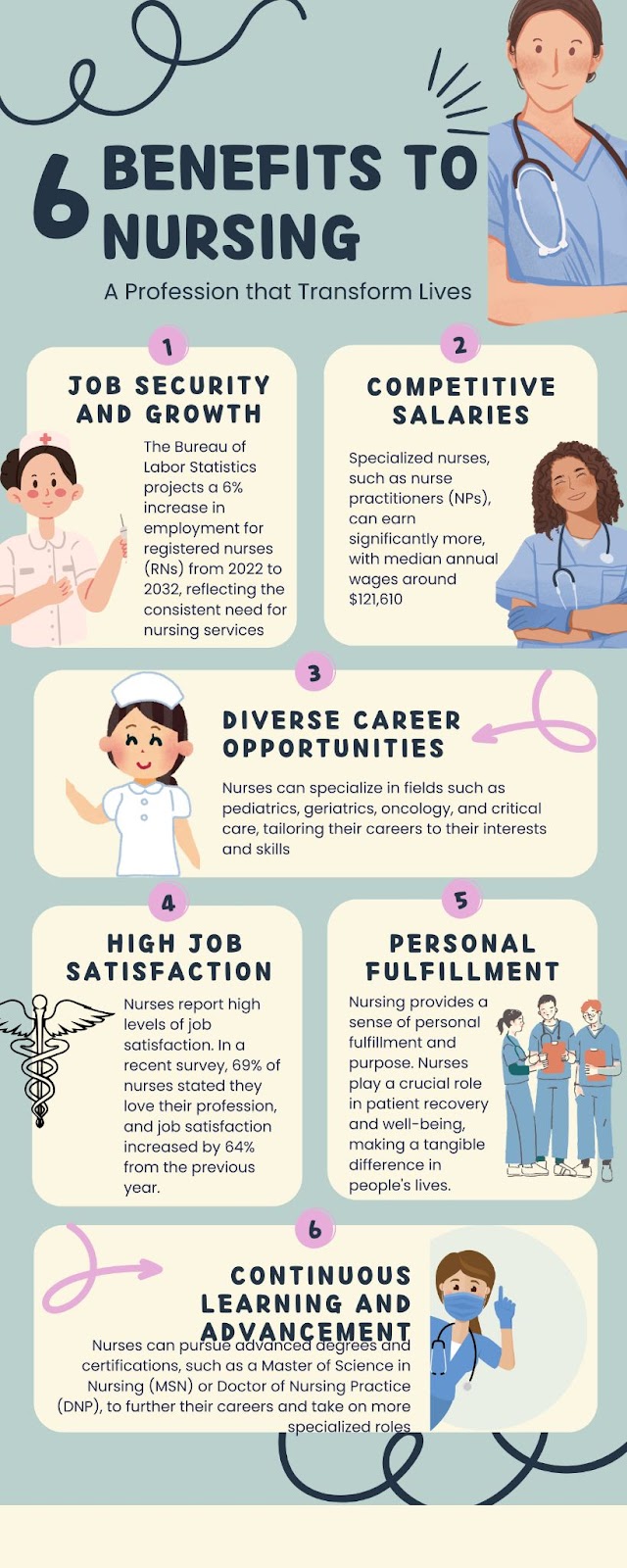
What Exactly is a CNA?
First off, what’s a Certified Nursing Assistant (CNA)? Think of them as the frontline heroes of patient care. They’re the ones providing the Needed, hands-on help that makes a huge difference in patients’ daily lives. It’s not just about passing pills; it’s about direct support.
These are the folks who help with bathing, dressing, feeding, and basic mobility. They also monitor Key signs and report changes to nurses. It’s a critical role in healthcare.
The Pillars of CNA Training
To become a CNA, you need to conquer two main training areas. You’ve got your classroom learning, which covers all the theory, medical ethics, and patient rights stuff. Then there’s the practical skills part. You absolutely cannot skip this.
This hands-on training is where you learn to perform tasks correctly and safely. It’s done under the watchful eye of an instructor. You can’t get that virtual bedside manner.

Source : fhcaorlando.com
Why “Online” Isn’t Fully Online
When people talk about online CNA programs, they usually mean a hybrid model. The theory? Yeah, that can totally be done online. Lectures, readings, quizzes – all accessible from your couch. This flexibility is a huge draw for many.
However, the clinical hours are the sticking point. These must be completed in person at a healthcare facility or a designated training center. It’s about building real-world experience. You can’t learn CPR from a YouTube video alone, right?
The Time Commitment: Breaking It Down
Typical Program Durations
Most state-approved CNA programs, whether online-focused or traditional, fall within a specific timeframe. Generally, you’re looking at anywhere from 4 to 12 weeks. It really hinges on the program’s intensity and structure.
Shorter programs are usually more intensive, packing the material into fewer weeks. Longer ones might offer a more relaxed pace. It’s a trade-off between speed and how much time you can dedicate each day.
Online vs. Traditional: The Clock Ticks Differently
Here’s where online components shine. By completing the theoretical coursework online, you can often shave off time compared to a fully in-person program. You can power through lectures on your own schedule.
However, the required clinical hours are often the same regardless. These hands-on sessions are scheduled and unavoidable. So, while you might save commute time and study whenever you want, the overall clock doesn’t magically shrink to a week.
Factors Influencing Your Timeline
A bunch of things can speed up or slow down your journey. Your personal learning speed is a big one. Can you absorb information quickly? Do you have prior medical knowledge?
Also, consider the program’s schedule. Are classes offered evenings and weekends? How quickly can you get scheduled for your clinical rotations? Availability at training sites can sometimes cause delays. Planning is key for a swift certification.
The Anatomy of an Online CNA Program
Coursework Components
The online portion typically covers a broad range of subjects. You’ll dive into anatomy and physiology basics, infection control protocols, patient rights, and communication skills. It’s all foundational stuff.
You’ll also learn about medical terminology, nutrition, and the specific duties of a CNA. Think of it as the textbook knowledge you need before you even step into a clinical setting. This is where you build your theoretical knowledge base.
Clinical Skills Training
This is the hands-on part. You’ll practice skills like taking Key signs, assisting with personal hygiene, proper lifting techniques, and emergency procedures. It’s a critical step.
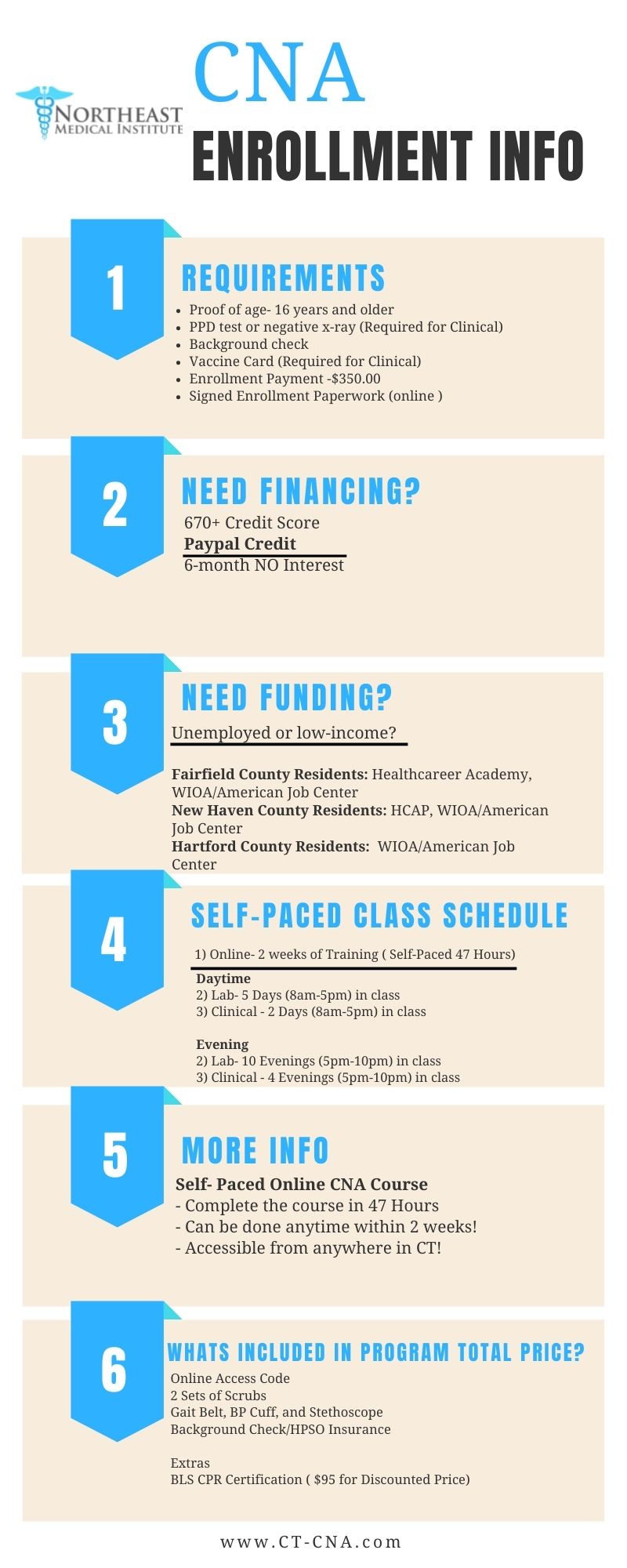
Source : northeastmedicalinstitute.com
Instructors will guide you, demonstrating each skill and then supervising you as you perform it. They provide immediate feedback to Make sure you’re doing it safely and correctly. This is where theory meets practice.
The Final Examination
Once you’ve completed both the coursework and the clinical hours, you’ll need to pass a competency exam. This usually consists of two parts: a written or computer-based test and a practical skills test.
The written exam covers the theoretical knowledge you gained. The practical exam tests your ability to perform specific CNA skills correctly, just like you practiced. Passing this is your golden ticket to certification.
Handling Online Program Options
Accreditation Matters
This is HUGE. Make sure any program you consider is approved by your state’s board of nursing or health department. An unapproved program means your certification won’t be valid. Period.
You can usually find lists of approved programs on your state’s official government website. Don’t just take the program’s word for it; do your own verification.
Hybrid vs. Fully Online (Which Doesn’t Exist)
As we’ve hammered home, a “fully online” CNA program isn’t really a thing because of the required clinical component. You’re looking for hybrid programs. These blend online learning for the theory with in-person sessions for skills practice and clinical rotations.
Consider programs offered by community colleges, vocational schools, or even some healthcare facilities. For example, institutions like The City College of New York offer relevant programs, showing that reputable places are involved in training – you can check out their continuing and professional studies for details, like those at CNA programs.
Cost Considerations
Program costs can vary wildly. You might see prices ranging from a few hundred dollars to upwards of $1,500 or more. This often depends on what’s included (uniforms, books, exam fees) and the length of the program.
Factor in potential costs for background checks, textbooks, and exam fees. Some programs might have hidden costs. Always ask for a detailed breakdown of all expenses upfront.
Pros and Cons of Online CNA Training
The Upside
- Flexibility: Study theory on your own schedule, fitting it around work or family.
- Pace Yourself: Go through material as quickly or as slowly as you need.
- Accessibility: Geographic location is less of a barrier for the theoretical part.
- Potentially Lower Costs: Some online programs can be more affordable than purely traditional ones.
The Downside
- Mandatory In-Person Component: You still need to attend clinicals.
- Self-Discipline Required: Requires strong motivation to stay on track without constant direct supervision.
- Technical Requirements: Need reliable internet access and a suitable device.
- Limited Social Interaction: Less face-to-face time with instructors and peers for the theoretical part.

Source : cnalicense.org
Making the Most of Your Online CNA Education
Active Participation
Even though you’re online, don’t just passively click through modules. Engage with the material. Take thorough notes. Participate in online discussion forums if they’re available.
Ask questions! If something isn’t clear, reach out to your instructor. The more you engage, the better you’ll retain the information, which is Key for the upcoming exams.
Practice, Practice, Practice
The clinical skills, practice is non-negotiable. Use any available practice labs. If you have a friend or family member willing to be a “patient,” practice transfers or Key signs on them (safely, of course!).
Repetition builds muscle memory and confidence. You want to be so familiar with the skills that you can perform them almost automatically during your exam and on the job. Mastering the skills is Top.
Seek Out Additional Resources
Don’t rely solely on your program’s materials. Look for reputable online resources, anatomy videos, or medical terminology guides. Websites like the Red Cross often offer helpful information about CNA training and careers, providing valuable supplementary material.
Sometimes, different explanations can make concepts click. Supplementing your core learning can give you a more Strong understanding and boost your confidence for the final tests. It’s about getting a Full grasp.
Comparing Program Timelines and Costs
Choosing the right program involves looking at both how long it takes and how much it costs. A shorter program might seem appealing, but Make sure it doesn’t compromise on the quality of training. Similarly, the cheapest option might not be the best value.
Here’s a quick look at some general figures you might encounter. Remember, these are estimates and can vary significantly by location and specific institution.
| Program Type | Estimated Duration | Estimated Cost Range | Key Feature |
|---|---|---|---|
| Short, Intensive In-Person | 3-6 weeks | $500 – $1,200 | Fastest path, requires full-time commitment. |
| Hybrid (Online Theory + In-Person Skills) | 4-10 weeks | $700 – $1,500 | Balances flexibility with hands-on needs. |
| Community College Program | 6-12 weeks (often semester-based) | $800 – $2,000+ | Often more Full, may offer college credits. |
| State-Funded/Workforce Development | Varies (can be longer) | Free – $500 (often with work commitment) | Low cost, but may have strict requirements or longer wait times. |
Is Faster Always Better?
Not necessarily. While getting certified quickly is great, especially if you need to start earning, don’t sacrifice thoroughness for speed. A rushed program might leave gaps in your knowledge or skills, which could show up during your certification exam or, worse, on the job.
Learning style. If you need more time to process information, a slightly longer, more paced program might be a better fit. Rushing through Key safety procedures could lead to mistakes down the line.
The Value Proposition
Consider the total value. Does the program include all necessary materials? What’s the pass rate for the certification exam? Does the institution offer any career services or job placement assistance? These factors add value beyond just the hours spent.
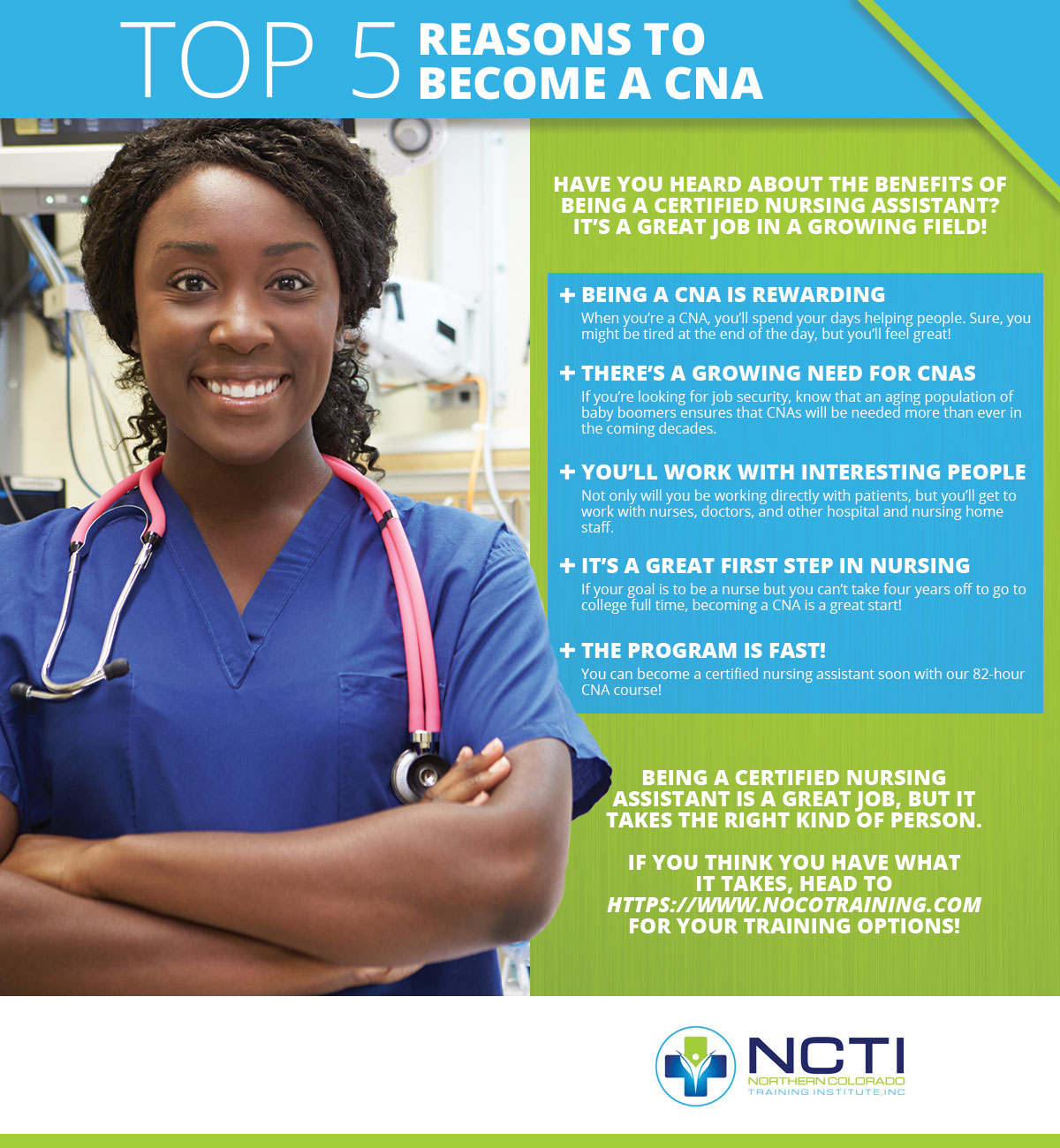
Source : nocotraining.com
A slightly more expensive program that has a high success rate and good support might be a better investment in your future career than a cheaper one that leaves you unprepared. Look for programs with proven results.
Final Thoughts on Your CNA Timeline
Setting Realistic Expectations
So, to circle back, how long does it take? Realistically, with a hybrid online program, you’re probably looking at a minimum of 4-6 weeks of intense study if you can dedicate significant time. For most people balancing life, 6-10 weeks is more common.
It’s a commitment, but it’s absolutely achievable. Just be prepared for the blend of online flexibility and necessary in-person training. There are no shortcuts to becoming a competent caregiver.
The Importance of the State Exam
Remember, the program completion is just one hurdle. You must pass your state’s official CNA certification exam. Program timelines don’t always account for scheduling this exam, which can sometimes add a week or two.
Make sure you understand the process for scheduling and taking your exam in your specific state. Passing this is the ultimate gatekeeper.
Your Career Starts Now
The time invested in becoming a CNA is an investment in a healthcare career. It’s a stepping stone to many other nursing roles. Getting certified online can make that first step more accessible than ever before.
Don’t get bogged down by the exact number of days. Focus on choosing a quality, state-approved program that fits your life and learning style. Your future in healthcare awaits!
Frequently Asked Questions
What is the fastest you can become a CNA?
Because everyone’s schedule is different, it really depends. But generally, you can aim for around 4-8 weeks if you’re really pushing it with online CNA programs and clinicals. Some can be faster, some slower, ya know?
Can CNAs make $1000 a week?
It’s possible, but not the norm everywhere. With overtime, or if you land a job in a high-demand area, especially as a travel CNA, then yeah, you could hit that $1000 mark. More often, it’s a bit less, but still a decent paycheck.
Can you become a CNA completely online?
Not entirely, no. While a good chunk of your CNA coursework can be done online, you absolutely have to complete in-person clinical hours. That’s the hands-on part you can’t skip.
How long are CNA programs usually?
Most CNA certification programs, whether online or in-person, clock in around 4 to 12 weeks. It really boils down to the specific school and how many hours they require for both the classroom stuff and the hands-on training.
What are the requirements to become a CNA online?
You’ll typically need a high school diploma or GED, pass a background check, and meet any state-specific prerequisites. For the online portion, just a computer and internet access. Then, of course, the in-person skills training and exam.
0 Response to "How Long Does It Take To Become Cna Certified Online"
Post a Comment